
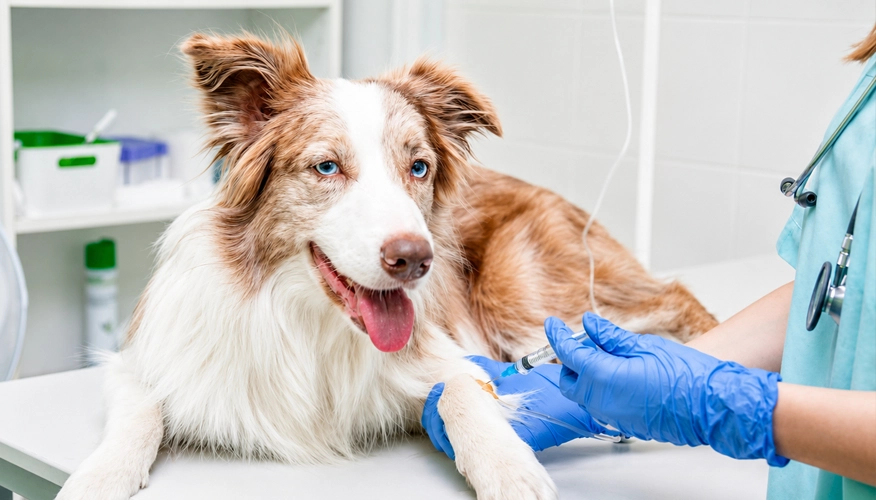
Planning a trip is exciting, but it raises a big question for dog parents: where will your pup stay? Boarding can feel like a mini-vacation for dogs, yet most kennels turn away guests whose vaccines are out of date. Shots train your dog’s body to fight germs before those germs can cause trouble, and they lower the risk of outbreaks that could close a kennel for days. In this blog, we break down every vaccine boarding facilities commonly require, explain how often boosters are due, show what proof you must bring, and share what to do if your dog has missed a shot. Read on, and you’ll be ready to book a safe stay without stress or guesswork.
Why Dog Boarding Requires Current Vaccinations
When dogs share the same play yard, nap room, or water bowl, invisible germs can spread in minutes. Some viruses live on surfaces; others float through the air. Even a healthy-looking dog can carry and shed disease during the early “silent” stage of infection. This is why boarding managers insist on current vaccination records for every single guest, no exceptions.
What This Dog Vaccine Policy Protects
Your dog – Less chance of catching a nasty cough or stomach bug.
Other dogs – Fewer carriers mean a lower spread rate.
Staff members – Some canine diseases can jump to people.
Business continuity – A disease outbreak could force a facility to close for deep cleaning, hurting everyone’s plans.
Local animal control officers also inspect kennels and review vaccine logs. Fines for missing records can be steep, so the staff will ask you for proof again even if you show it during booking. Current vaccines are not a hurdle; they are the admission ticket that keeps every tail wagging.
Core Dog Vaccines Needed Before Boarding
Veterinarians label four vaccines as “core,” meaning they protect against common or severe diseases found almost everywhere:
Distemper – A virus that attacks the brain, lungs, and intestines. It spreads by coughs and sneezes and can be deadly.
Adenovirus (Hepatitis) – Targets liver, kidneys, and eyes. It travels in urine and saliva.
Parvovirus – Causes severe vomiting and diarrhea, especially in puppies. Survives for months in soil or on surfaces.
Rabies – Attacks the nervous system of mammals, including people. Required by law in nearly every region.
Many vets give the first three together in one shot known as DHPP. Rabies is given alone because it carries special legal tags and paperwork. Boarding facilities rarely make exceptions for these core shots, and the rabies certificate must list the microchip or license number that matches your dog. Core vaccines lay the foundation for stronger immunity and help turn a busy kennel into a safer community.
Extra Vaccines Dogs Need Before Boarding Stays
Beyond the core group, most kennels ask for one or two more shots because of how easily certain illnesses spread when dogs mingle:
Bordetella bronchiseptica – Main cause of “kennel cough.” Signs include a hacking cough and runny nose. Spread by air and shared bowls. Boosters are needed every 6–12 months, so check the date.
Canine Influenza (H3N8 and H3N2) – A dog flu that causes fever, cough, and tiredness. Outbreaks close boarding facilities each year. Many owners add this shot before summer travel.
Leptospirosis – A bacterial disease passed in standing water or mud and can infect humans. Some kennels require it if cases rise locally.
Lyme Disease – Spread by ticks. Not always mandatory, but kennels in wooded areas may ask for proof.
Each facility sets its own rules, so always read the shot list on the website or call ahead. Giving these extra vaccines shows respect for fellow boarders and saves the kennel from emergency closures.
Booster Vaccine Timing Before Dog Boarding
Vaccines wear off as antibody levels drop, so boosters keep the shield strong.
Typical Dog Boarding Vaccine Timeline
| Vaccine | First Adult Dose | Booster Interval |
| DHPP | 16 weeks old | Every 1–3 years |
| Rabies | 16 weeks old | Every 1–3 years |
| Bordetella | 8–16 weeks old | Every 6–12 months |
| Canine Influenza | 16 weeks old | Yearly |
| Leptospirosis | 12 weeks old | Yearly |
| Lyme Disease | 12 weeks old | Yearly |
Your vet may adjust the interval based on age, health, and local laws.
Plan shots at least two weeks before boarding. It takes time for the immune system to respond, and many kennels set a 10-to-14-day buffer so fresh vaccines can work. Mark the due dates on your calendar right after each visit, and ask your vet for an email reminder if offered.
Proof Of Dog Vaccines Your Boarding Kennel Requires
Kennels need more than your word. Bring or upload a document that clearly shows:
Dog’s full name and microchip or license number
Vaccine names and lot numbers (on official forms)
Dates each shot was given
Expiration dates for all boosters
Clinic name, address, and vet signature
Most clinics print this data on a single sheet titled “Certificate of Vaccination.” A photo on your phone is fine if all lines are legible. Some boarding apps let you store digital records and send alerts when a booster is near. Double-check that the rabies certificate includes the county-issued tag number; inspectors often match tag numbers to paperwork during surprise audits.
Getting Puppy Vaccines Done Before Boarding
Puppies have weaker immune systems, so they get a series of low-dose shots called “puppy boosters.”
Sample Dog Vaccine Schedule Before Boarding
6–8 weeks – First DHPP
9–12 weeks – Second DHPP
12–16 weeks – Rabies (per local law)
14–16 weeks – Final DHPP plus Bordetella
18–20 weeks – Canine Influenza if needed
Puppies cannot board until they finish the full DHPP series and rabies shot. Even one missing dose can lead to a quick “no” during check-in. Book a vet visit as soon as you know the travel date, and keep every booster card. Completing the series on time protects the pup during a stage when diseases like parvo can be deadly in just days.
How To Catch Up On Missed Dog Vaccines
Life happens—appointments slip past, reminders get buried.
What To Do If A Dog Booster Vaccine Is Late
Call your vet right away. Ask if you need to restart the series or just give a single booster.
Tell the boarding manager. They may hold the spot for a few days if you show a confirmed vet appointment.
Request a rapid titer test (for DHPP or rabies) if timing is tight. Some kennels accept a positive antibody titer in place of an overdue booster.
Keep your dog away from dog parks until the new shot has one week to take effect.
Set new reminders on your phone or calendar for all future boosters.
Act fast, and your dog will likely stay on the guest list. Waiting could mean last-minute cancellation fees and scrambling for in-home care.
Keeping Your Dog Vaccinated And Boarding Ready
Current vaccines are the first shield against illness when dogs share space. Keep shots on schedule, store clear records, and ask your vet to fill any gaps before travel. Those small steps help your pup enjoy boarding without coughs, fevers, or last-minute refusals. When you need a place that follows the same strict health rules, choose Critter Lodge. We check every record, clean daily, and give dogs room to play and rest. Ready to book? Click now, reserve a suite, upload your vaccine sheet, and know your best friend will be safe, happy, and waiting for your return with joy.